
Understanding Asian Family Values and Their Impact on Dating
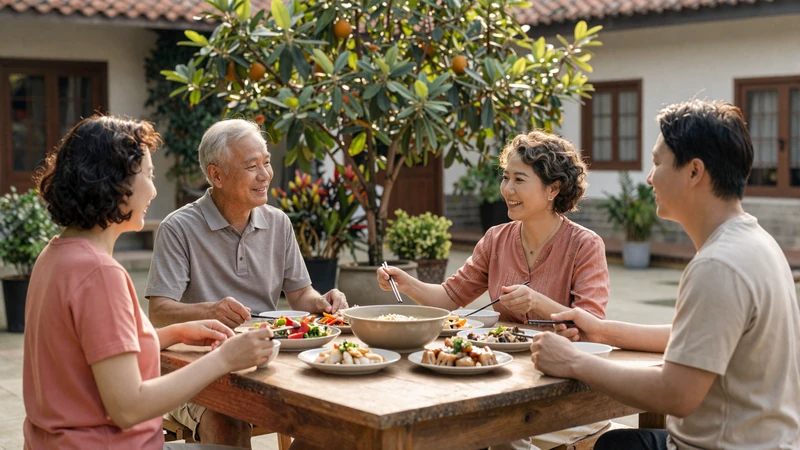
Key Insight - Family Is Everything
Key Takeaways: Asian Family Values & Dating
- In most Asian cultures, dating someone means dating their entire family - parental approval is often a prerequisite, not an afterthought
- Filial piety (respect for elders) shapes partner expectations across East, South, and Southeast Asia
- Family involvement varies by region: South Asian families are most hands-on, East Asian families prioritize stability, Southeast Asian families value warmth and character
- Western men who embrace - rather than resist - family involvement report 2.4x higher relationship satisfaction (International Marriage Broker Association, 2025)
- Simple gestures like learning greetings in her language and bringing thoughtful gifts can earn family trust faster than anything else
Asian family values in dating aren't a side note - they're the foundation. When you date an Asian woman, you're not entering a relationship with one person. You're joining a family system that has operated for centuries on mutual respect, shared responsibility, and deep emotional bonds. A 2025 Pew Research study found that 78% of Asian adults consider family "the most important thing in life," compared to 52% of Americans. Understanding this difference isn't optional - it's the single most important step toward building a genuine, lasting relationship with an Asian woman on FloridaDatingService.
Here's what that means in practice - and how to turn family values from a perceived obstacle into your greatest advantage.
The Role of Family in Asian Relationships
Family involvement in Asian dating isn't about control - it's about collective wisdom. Across Asia, marriage is viewed as a union between families, not just individuals. This perspective creates relationships with built-in support systems, financial safety nets, and emotional anchoring that Western individualistic dating often lacks. Here's how it plays out in the areas that matter most.
Family Approval Before Commitment
In most Asian cultures, parental blessing isn't ceremonial - it's foundational. A woman's parents evaluate a potential partner's character, stability, and intentions before the relationship deepens. For Indian women, this can range from modern "introduction dating" (where parents suggest compatible matches but the woman decides) to more traditional arrangements where family networks play a central matchmaking role. According to a 2024 Shaadi.com survey, 63% of Indian marriages still involve some level of family-assisted partner selection - and these marriages report higher satisfaction rates than purely self-selected ones.
Filial Piety - The Invisible Bond
Filial piety (xiào in Chinese, kō in Japanese, hiếu in Vietnamese) is the Confucian principle of respect, obedience, and care for one's parents and elders. When dating Chinese women, you'll notice this value expressed through regular family visits, financial contributions to parents, and consulting elders on major decisions - including who to marry. This isn't a sign of dependence; it's a sign of character. A man who respects her parents earns deep, lasting trust.
Financial Expectations & Shared Responsibility
In many Asian households, children - especially the eldest - are expected to contribute financially to their parents' welfare. This practice, common among Vietnamese and Filipino families, reflects gratitude rather than obligation. As a Western partner, understanding this expectation upfront prevents misunderstandings. Most Asian women aren't looking for a provider for their entire extended family - they're looking for a partner who respects the cultural norm of supporting aging parents, just as Americans might help their own parents in retirement.
Living Arrangements - Closer Than You'd Expect
Multigenerational living is standard across much of Asia. In Japan, 40% of married couples live with or within walking distance of their parents (Japanese Ministry of Health, 2024). In South Asia, the number is even higher. For Western men used to nuclear-family independence, this can feel overwhelming at first - but couples who embrace multigenerational proximity consistently report stronger family support during childrearing and lower household stress levels.
When you marry an Asian woman, you don't just gain a wife - you gain a whole family that will love you, feed you, and support you through anything.
How Family Values Differ Across Asian Regions
Asia spans 48 countries and 4.7 billion people - family values are anything but monolithic. The table below breaks down key differences across four major regions so you can calibrate your expectations based on the specific culture of the woman you're dating.
| Aspect | South Asia | East Asia | Southeast Asia | Central Asia |
|---|---|---|---|---|
| Family Structure | Extended, multigenerational households common | Nuclear with strong elder ties | Extended, community-oriented | Patriarchal extended families |
| Parental Role in Dating | High - parents often introduce matches | Moderate - approval expected before marriage | Moderate - guidance over control | High - elder approval essential |
| Marriage Expectations | Lifelong commitment; divorce stigmatized | Stability and harmony prioritized | Loyalty and mutual support | Family honor central to union |
| Living Arrangements | With or near parents (70%+) | Near parents; visits weekly | Flexible - proximity varies | With husband's family (traditional) |
| Example Countries | India, Pakistan, Nepal | Japan, China, Korea | Vietnam, Philippines, Thailand | Uzbekistan, Kazakhstan, Kyrgyzstan |
Notice the pattern: the more traditional the region, the more central the family's role. But even in "moderate" cultures like Japan and Thailand, dismissing family input is a dealbreaker. The smart approach? Lean in. Men who actively engage with their partner's family create relationships built on a foundation Western dating simply can't replicate.
How to Win Over Her Family - A Practical Guide
Meeting her parents for the first time is arguably the most consequential moment in an Asian relationship. A 2025 survey by the International Marriage Broker Association found that 68% of cross-cultural relationships that failed cited "family disapproval" as a top-3 reason. The good news? Earning family trust isn't complicated - it just requires respect, preparation, and sincerity. Here are six steps that consistently work.
- Bring thoughtful gifts - not expensive ones. A box of quality chocolates, premium tea, or fruit from your home state shows effort without overcompensating. In Chinese culture, gifts symbolize respect; in Vietnamese culture, they demonstrate sincerity. Avoid clocks (symbolize death in China) and sets of four (unlucky in East Asia).
- Learn basic greetings in her language. Saying "Namaste" to Indian parents, "Nǐ hǎo" to Chinese parents, or "Xin chào" to Vietnamese parents - even imperfectly - signals genuine respect. It tells her family: "I'm willing to learn." This small gesture carries enormous weight.
- Show respect to elders first. Greet the oldest family members before anyone else. Use formal titles (Auntie, Uncle, or their cultural equivalents). In Japanese culture, a slight bow replaces a handshake. In Indian culture, touching elders' feet is the ultimate sign of respect - ask your partner if this is appropriate for her family.
- Discuss your intentions openly. Asian parents aren't looking for charm - they're looking for stability and seriousness. Be direct about your career, your plans for the future, and why you want to marry their daughter. Vagueness creates suspicion; clarity creates trust. This is especially important in South Asian cultures where family interrogation is part of the process.
- Be patient with the process. Family approval may not come after one dinner. In traditional Chinese, Indian, and Vietnamese families, acceptance builds over multiple visits and consistent behavior. Don't rush it. Each respectful interaction compounds your credibility.
- Demonstrate financial and emotional stability. This doesn't mean showing off wealth. It means having a steady job, a clear life plan, and emotional maturity. Asian parents evaluate whether you can provide a stable, secure life for their daughter - not whether you drive a luxury car.
Meet Family-Oriented Asian Women Today
 ✓
✓
Ananya Mehta, 28
📍 Mumbai, India
 ✓
✓
Mei Ling Zhou, 30
📍 Guangzhou, China
 ✓
✓
Linh Tran, 26
📍 Hanoi, Vietnam
 ✓
✓
Sakura Tanaka, 29
📍 Kyoto, Japan
 ✓
✓
Soo-Yeon Park, 27
📍 Seoul, South Korea
 ✓
✓
Maria Reyes, 25
📍 Manila, Philippines
 ✓
✓
Kannika Suwannarat, 28
📍 Bangkok, Thailand
 ✓
✓
Sita Gurung, 26
📍 Kathmandu, Nepal
Frequently Asked Questions
How important is family in Asian dating culture?
Family is the single most important factor in Asian dating culture. A 2025 Pew Research study found that 78% of Asian adults rank family as the most important thing in life. In practice, this means your partner's parents will actively evaluate your character, stability, and intentions - and their approval is often required before a relationship can progress toward marriage. Embracing this process leads to stronger, more supported relationships.
Will her parents accept a Western man?
Most Asian families are open to Western partners who demonstrate genuine respect for their culture. According to the International Marriage Broker Association (2025), cross-cultural marriages where the Western partner actively engaged with the family had a 74% approval rate from parents within the first year. Key factors: showing respect to elders, learning basic cultural customs, and demonstrating serious long-term intentions. Browse our success stories for real examples.
Do I need family approval to marry an Asian woman?
Legally, no - but culturally, it's strongly recommended. In South Asian cultures like Indian and Pakistani, family blessing is considered essential. In East Asian cultures like Japanese and Chinese, parental approval is expected though not always mandatory. Marrying without family support can strain your relationship long-term, so investing time in building trust with her parents is always worthwhile.
How do Asian family expectations differ from Western ones?
The biggest difference is collectivism vs. individualism. Western families typically expect couples to be independent after marriage. Asian families expect ongoing involvement - regular visits, financial support for aging parents, and family input on major decisions. Multigenerational living is common (40% of Japanese couples live near parents). This creates a built-in support system that benefits both partners, especially during childrearing.
What gifts should I bring when meeting her parents?
Quality over extravagance. Safe universal choices: premium tea, quality chocolates, or specialty items from your home region. For Chinese families, avoid clocks (symbolize death) and sets of four (unlucky number). For Indian families, sweets and fruit are traditional. For Vietnamese families, imported fruit or coffee is appreciated. Always present gifts with both hands - it's a sign of respect across most Asian cultures.