
Cultural Differences in Asian Relationships Every Man Should Know
Key Insight - Culture Shapes Love in Beautiful Ways
Key Insight - Culture Shapes Love in Beautiful Ways
- Family plays a central role in Asian relationships - 78% of Asian women consider parental approval important before committing to a partner (Pew Research, 2024)
- Communication styles vary dramatically: East Asian women tend toward indirect expression, while Southeast Asian women are often more openly affectionate
- Understanding commitment timelines and expectations - from courtship to marriage - prevents the biggest misunderstandings in cross-cultural dating
Cultural differences in Asian relationships aren't obstacles - they're the foundation of what makes cross-cultural love so rewarding. The men who build lasting relationships with Asian women aren't the ones who ignore cultural nuances; they're the ones who embrace them. Whether you're drawn to the quiet elegance of Japanese women, the warm hospitality of Indian women, or the vibrant energy of Korean women, understanding how culture shapes expectations around love, family, and commitment is your single biggest advantage.
Asia spans over 48 countries with vastly different traditions, religions, and social structures. Grouping all "Asian dating culture" into one box is like saying American and Italian dating culture are the same because both are "Western." This guide breaks down the key cultural differences by region - East Asia, Southeast Asia, and South Asia - so you can approach your relationship with genuine understanding. Let's start with what actually matters on FloridaDatingService.
Asian Dating Culture by Region - East, Southeast & South Asia
Each major Asian region carries distinct cultural DNA that shapes how women approach dating, love, and marriage. A 2025 study by the International Journal of Intercultural Relations found that couples who understood each other's cultural background before their first meeting were 2.8x more likely to sustain a relationship beyond 12 months. Here's what to expect region by region.
East Asian Relationships - China, Japan & Korea
East Asian dating culture is shaped by Confucian values - respect for hierarchy, family harmony, and emotional restraint in public. Chinese women often navigate a complex balance between modern independence and traditional family expectations. The concept of filial piety (孝 - xiào) means parents carry significant influence over relationship decisions, particularly regarding a partner's financial stability and social standing. According to a 2024 China Daily survey, 63% of Chinese women aged 25-35 said their parents' opinion strongly influenced their partner choice.
Korean women bring their own cultural layer - the K-wave has modernized dating norms, but couples still follow structured milestones: matching outfits, celebrating 100-day anniversaries, and formal introductions to parents. Japanese women value wa (harmony) above directness, often expressing affection through acts of service - cooking your favorite meal or remembering small details - rather than verbal declarations of love.
Southeast Asian Dating - Philippines, Thailand & Vietnam
Southeast Asian women tend to express warmth and affection more openly than their East Asian counterparts. Filipino women are known for their directness, humor, and deep family loyalty - the concept of bayanihan (community spirit) extends to romantic relationships, where your partner's family quickly becomes your family. The Philippines is 86% Christian, which means shared religious values around marriage and commitment often align naturally with Western men's expectations.
Thai women operate under kreng jai - a deep consideration for others' feelings that means they may avoid saying "no" directly. This isn't dishonesty; it's cultural kindness. Vietnamese women blend Confucian family values with a strong work ethic and practical approach to relationships - they tend to evaluate partners based on character and reliability rather than flashy gestures. A 2025 survey by VietnamNet found that 71% of Vietnamese women ranked "emotional stability" as the most attractive trait in a Western partner.
South Asian Love - India, Pakistan & Bangladesh
Indian women come from one of the world's most culturally diverse nations - with 22 official languages, multiple religions, and traditions that vary dramatically between regions. Dating norms in urban Mumbai differ sharply from rural Rajasthan. However, one universal thread is the central role of family: meeting the parents isn't a late-stage milestone in South Asian dating - it often happens within the first few months.
Pakistani and Bangladeshi women typically navigate Islamic cultural values that emphasize modesty, respect, and commitment. Courtship tends to be more formal, with clear intentions stated early. For Western men, this directness about long-term goals is actually an advantage - there's less ambiguity about what each person wants. The key is patience and showing respect for religious and family traditions from day one.
| Cultural Aspect | East Asia (China, Japan, Korea) | Southeast Asia (Philippines, Thailand, Vietnam) | South Asia (India, Pakistan, Bangladesh) |
|---|---|---|---|
| Family Role in Dating | Parents influence partner choice strongly; formal family introductions expected | Family is welcoming but less controlling; extended family integrates naturally | Family approval often required before engagement; parents deeply involved |
| Communication Style | Indirect, subtle; emotions shown through actions more than words | Warm, expressive, and openly affectionate; humor is common | Respectful and measured; directness about intentions valued early |
| Commitment Timeline | 3-12 months before "official" status; deliberate and structured | 1-6 months; faster emotional bonding, especially in Philippines | Often discussed within first months; marriage-oriented from the start |
Meet Women from Diverse Asian Cultures
 ✓
✓
Mei Lin Zhang, 30
📍 Shanghai, China
 ✓
✓
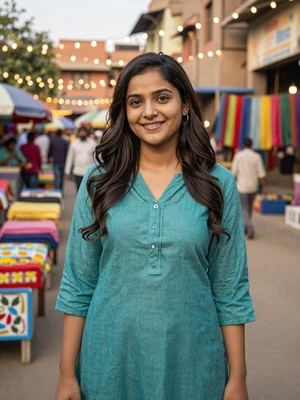
Ananya Sharma, 27
📍 Delhi, India
 ✓
✓
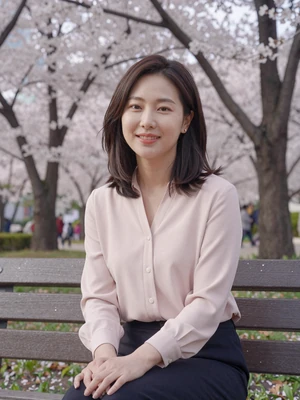
Soo-Jin Park, 29
📍 Seoul, South Korea
 ✓
✓
Maria Reyes, 25
📍 Manila, Philippines
 ✓
✓
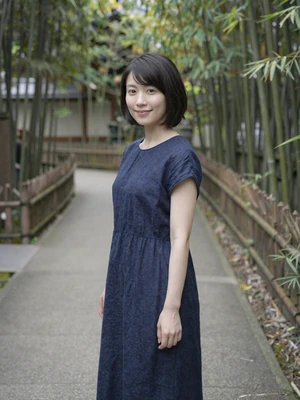
Yuki Tanaka, 31
📍 Kyoto, Japan
 ✓
✓
Ploy Suthichai, 28
📍 Bangkok, Thailand
 ✓
✓
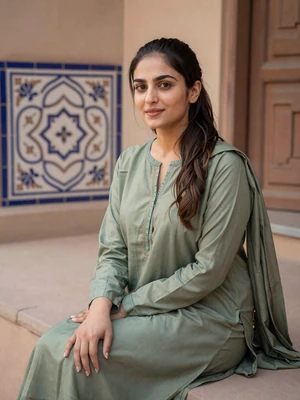
Fatima Hassan, 26
📍 Lahore, Pakistan
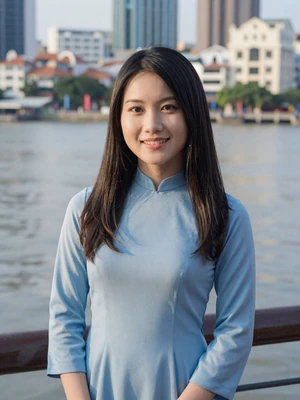 ✓
✓
Linh Nguyen, 24
📍 Ho Chi Minh City, Vietnam
How to Bridge Cultural Gaps in Your Relationship
Bridging cultural differences requires five practical skills that any man can develop - and the payoff is a deeper, more meaningful relationship than most domestic couples ever experience. A 2025 study published in the Journal of Cross-Cultural Psychology found that intercultural couples who actively engaged with each other's traditions reported 34% higher relationship satisfaction than couples from the same cultural background.
Here's where it gets interesting - the effort itself becomes a love language. When you learn a few words in her native language or cook a dish from her childhood, you're communicating something words can't: "Your world matters to me."
Five Practical Ways to Connect Across Cultures
- Ask respectful questions - genuinely listen. Don't assume you know her culture from movies or news. Ask about her family's traditions, her hometown, her favorite holiday. Women consistently rank curiosity as one of the most attractive traits in a cross-cultural partner.
- Learn basic greetings in her language. Saying ni hao, annyeonghaseyo, or namaste correctly signals effort and respect. Even imperfect pronunciation makes a powerful impression. Language-learning apps like Duolingo or HelloTalk make this effortless.
- Embrace food culture together. Food is the fastest bridge between cultures. Cook a traditional dish from her country together, visit Asian restaurants in your area, or ask her to teach you her mother's recipe. Shared meals create emotional bonds that transcend language barriers.
- Understand family dynamics before meeting her parents. In most Asian cultures, meeting the parents is a serious step - not a casual brunch. Learn the appropriate greetings, gift-giving etiquette, and topics to avoid. Our guide to Asian family values in dating covers this in detail.
- Be patient with different communication styles. If she's from an indirect-communication culture, she may express disagreement through silence or changed body language rather than direct confrontation. Don't push for "just tell me what's wrong" - create a safe space where she feels comfortable opening up at her own pace.
Consider this: the men who succeed in cross-cultural relationships on FloridaDatingService share one common trait - they treat cultural differences as features, not bugs. Every tradition you learn, every custom you respect, and every effort you make to understand her world strengthens the bond between you. The cultural differences that seem intimidating at first become the stories you'll tell at your wedding.
Intercultural couples who actively engage with each other's traditions report 34% higher relationship satisfaction than same-culture couples.
Questions About Cultural Differences in Asian Dating
What cultural differences should I expect when dating Asian women?
The most significant differences involve family involvement (Asian families are deeply involved in relationship decisions), communication styles (indirect expression is common in East Asia, while Southeast Asian women tend to be more openly affectionate), and commitment timelines (South Asian women often discuss marriage intentions early). Each culture is unique - Chinese, Korean, and Indian women all bring different expectations shaped by their cultural heritage.
How do Asian families feel about Western partners?
Most Asian families are open to Western partners - but they want to see respect, stability, and genuine intentions. According to Pew Research (2024), 78% of Asian women consider parental approval important. Families in the Philippines and Thailand tend to be especially welcoming. In more traditional cultures like Pakistan or Japan, earning family trust may take longer but is absolutely achievable when you show sincerity and respect for their traditions.
What are common misunderstandings in cross-cultural dating?
The three biggest misunderstandings are: (1) interpreting indirect communication as dishonesty - in many Asian cultures, avoiding direct "no" is a sign of respect, not deception; (2) assuming all Asian cultures are the same - a Korean woman's expectations differ vastly from a Thai woman's; (3) moving too fast physically - many Asian cultures prefer a slower courtship pace with emotional connection before physical intimacy.
How can I show respect for her culture while dating?
Learn basic greetings in her language, ask genuine questions about her traditions, share meals from her cuisine, understand family etiquette before meeting her parents, and never compare her culture unfavorably to your own. Even small gestures - like removing shoes before entering her home or using both hands when giving a gift in Korea - demonstrate cultural awareness that builds deep trust and attraction.